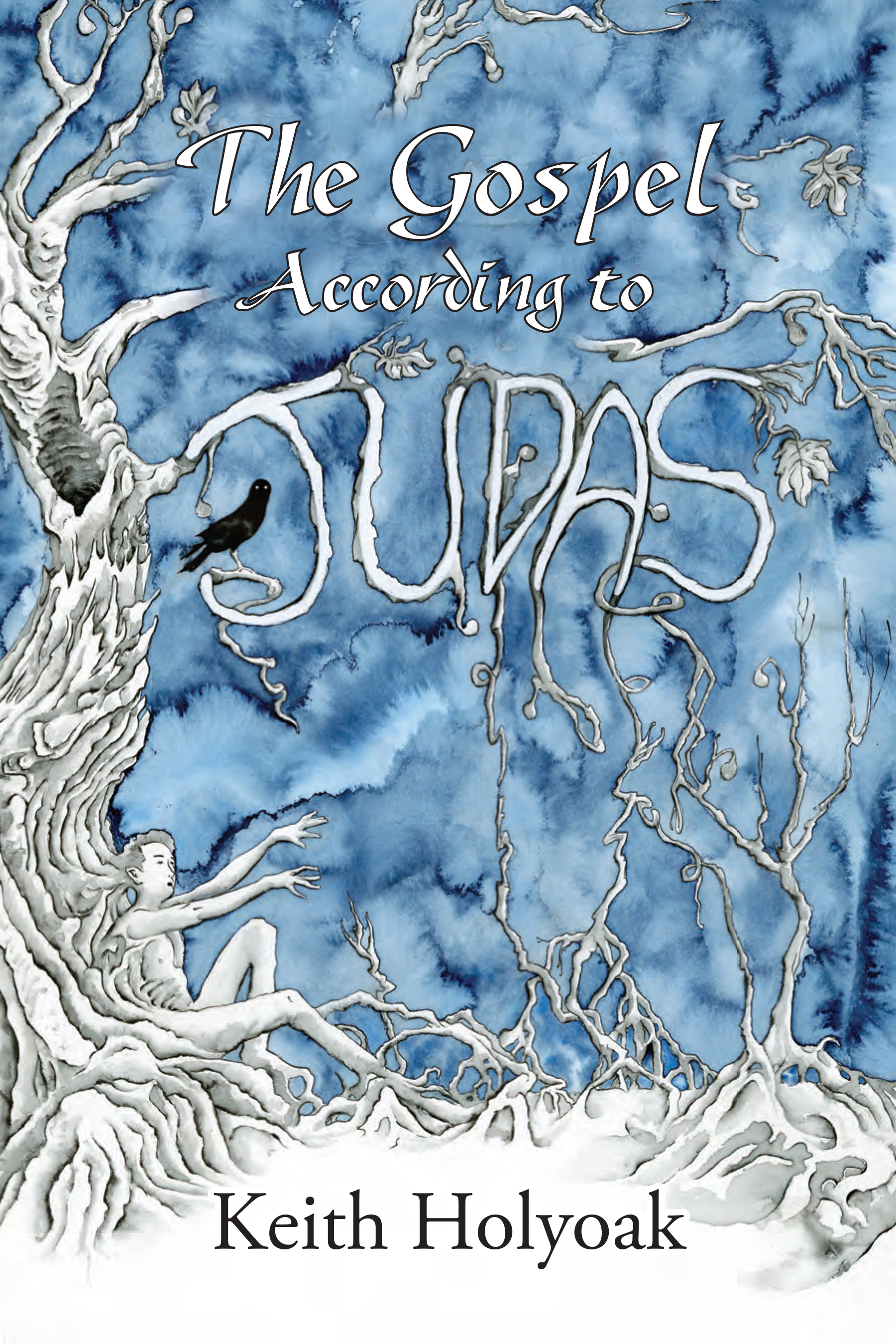
Drifting, drifting
what do I resemble?
A lone gull
lost between earth and heaven.
—Du Fu
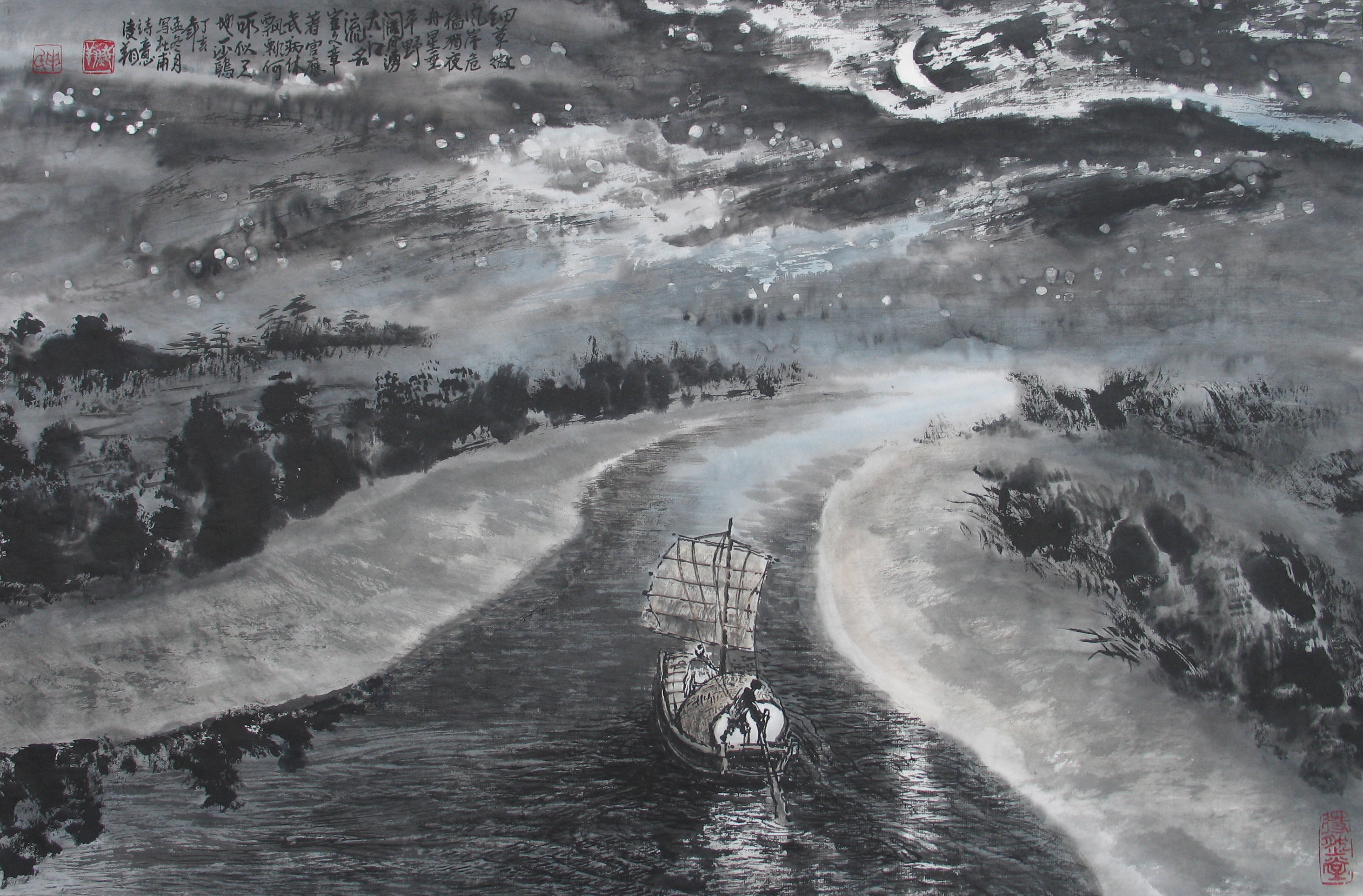
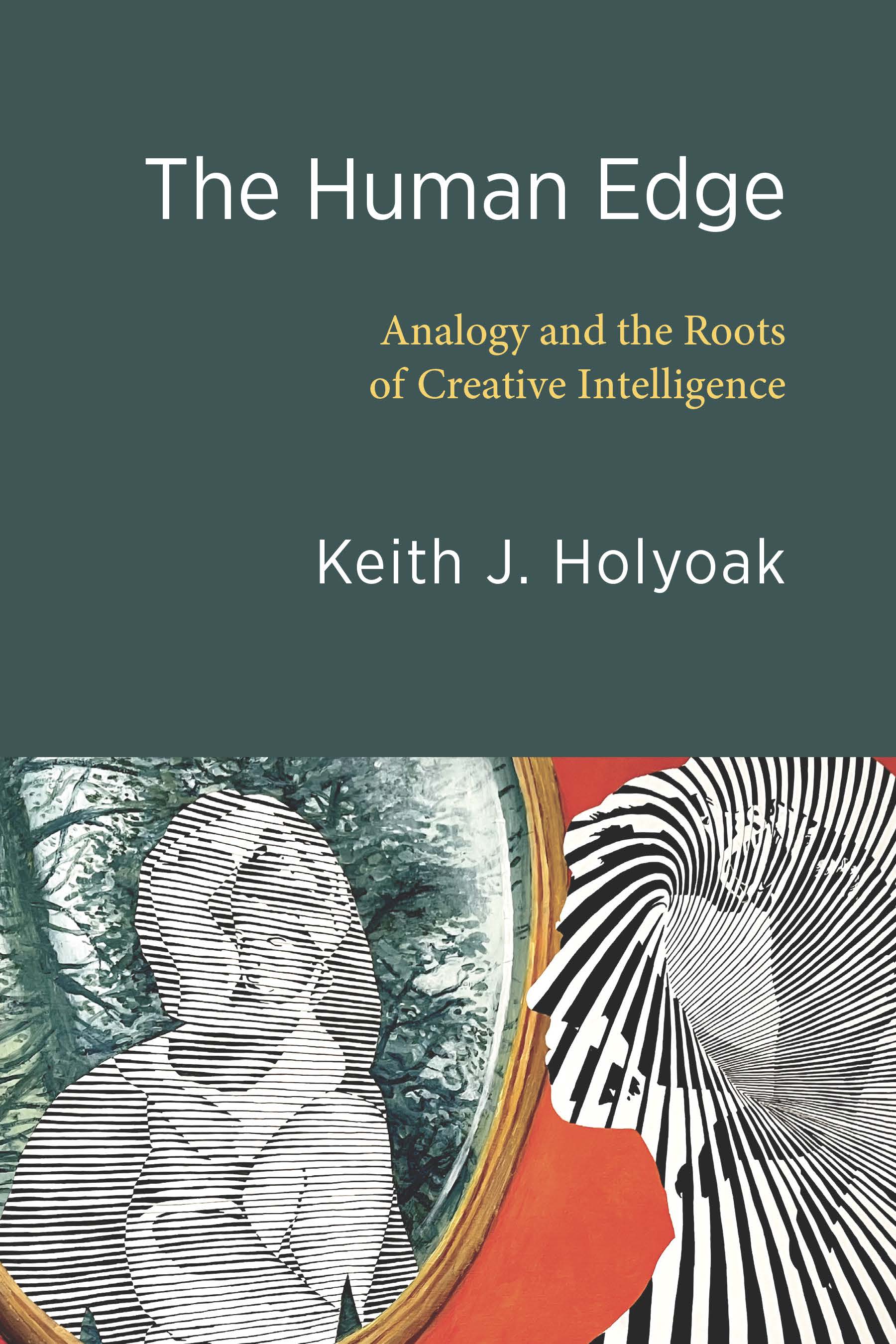
How does the mind create new ideas by seeing one thing as another? Our myths and metaphors reflect thinking by analogy—grasping the unknown through the known, the foreign through the familiar. For half a century, I've looked at analogy from the outside as a cognitive scientist, and from the inside as a poet.
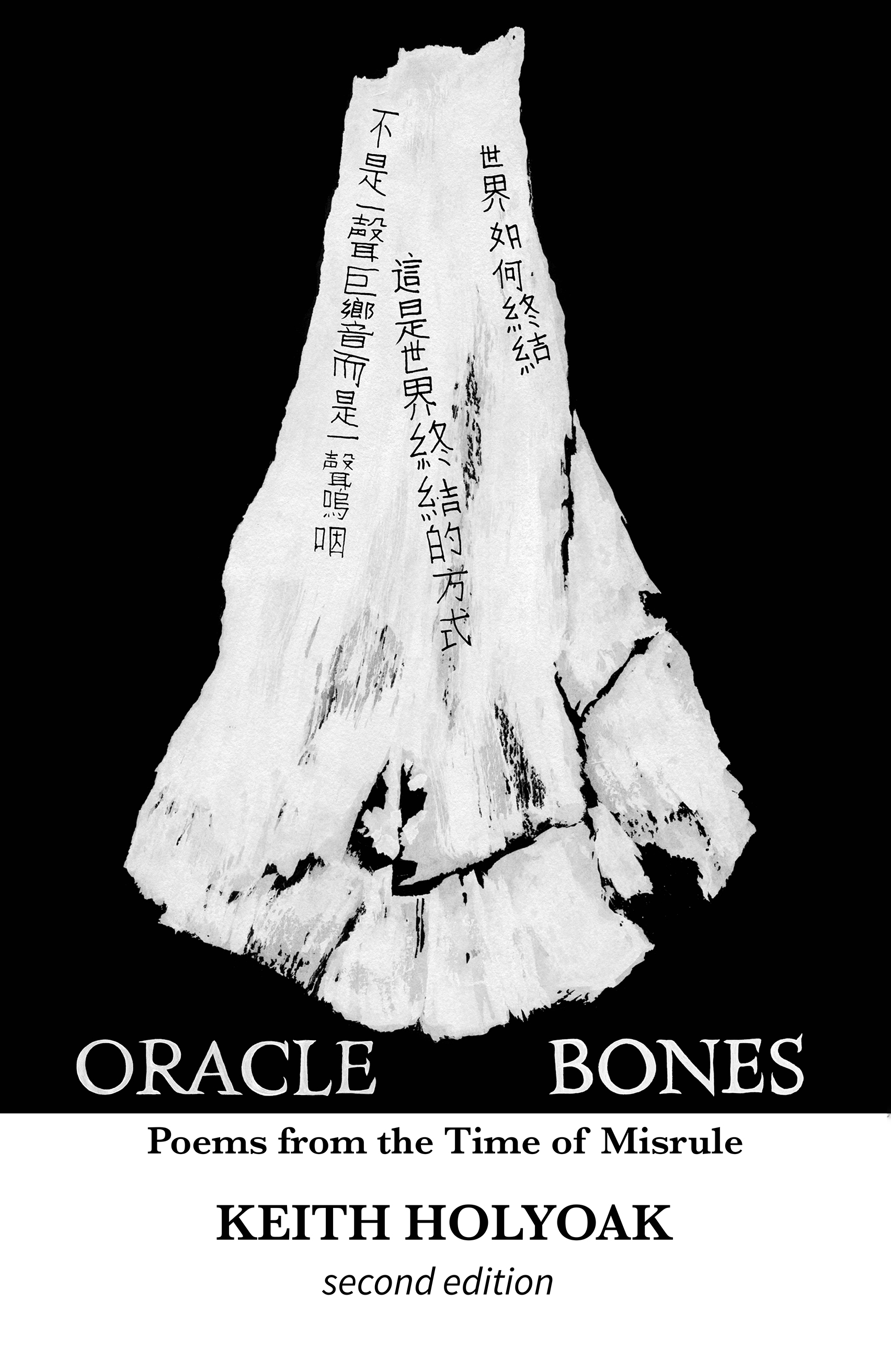
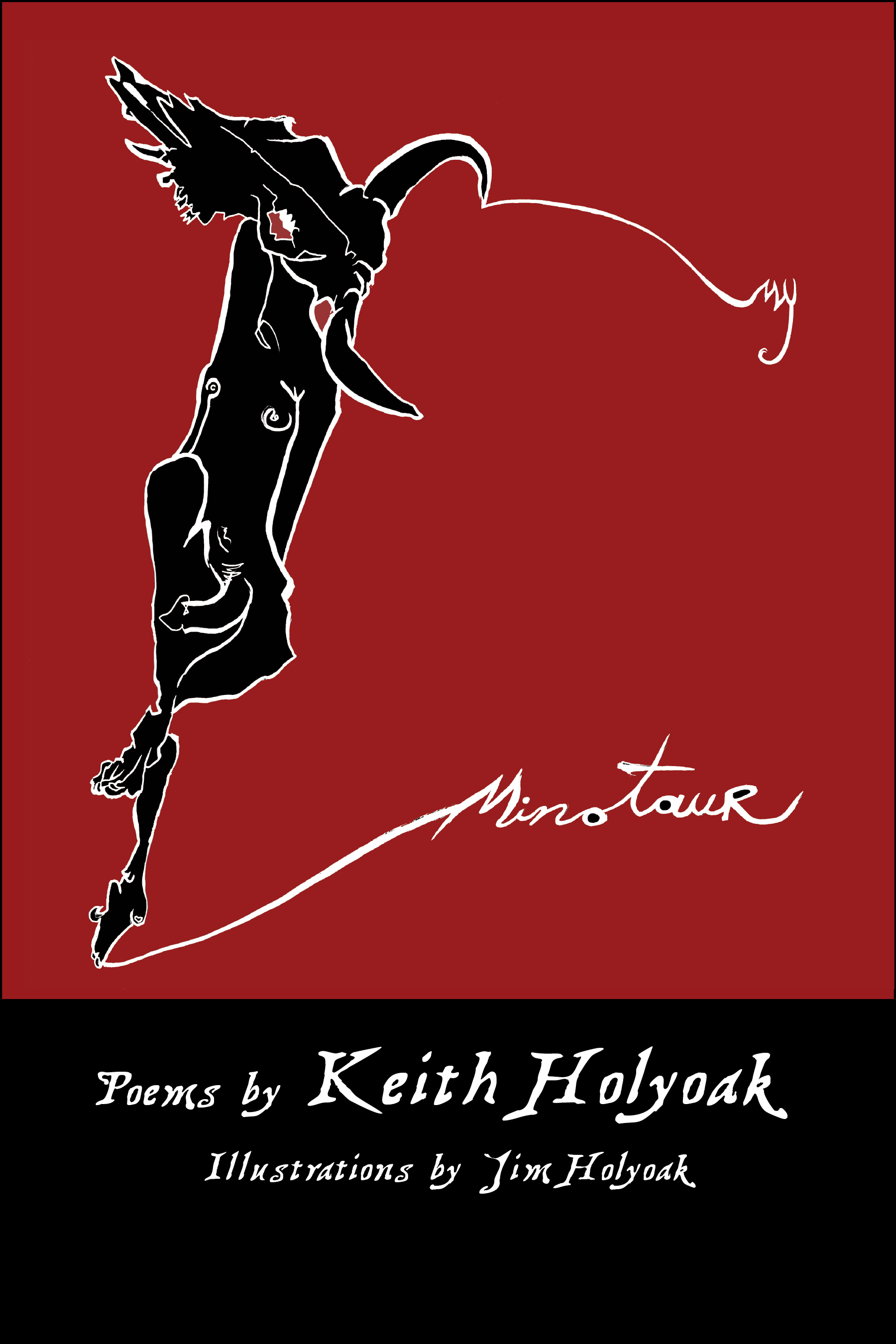
Pseudo-translations of classical Chinese poems in the spirit of Borges and Nabokov—works that never existed, rendered with complete conviction. The collection reimagines political misrule through the ancient lens of Chinese oracle-bone divination.
"A bold reimagining of political poetry, merging ancient ritual with modern unrest… a collection that respects both intellect and craft." — Reader review, 1st edition
"Intellectually rich… each poem feels like a coded message waiting to be deciphered." — Reader review, 1st edition
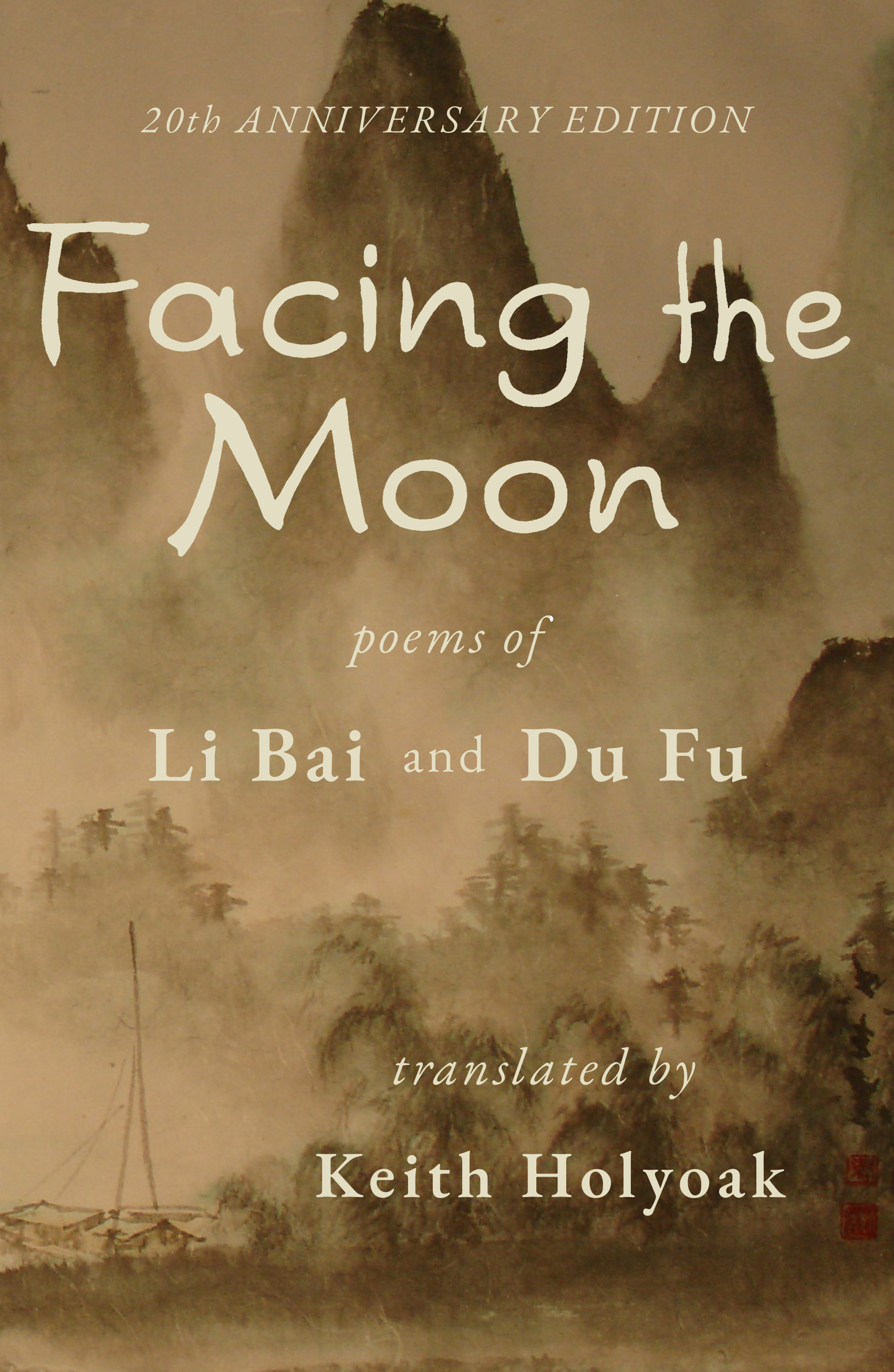
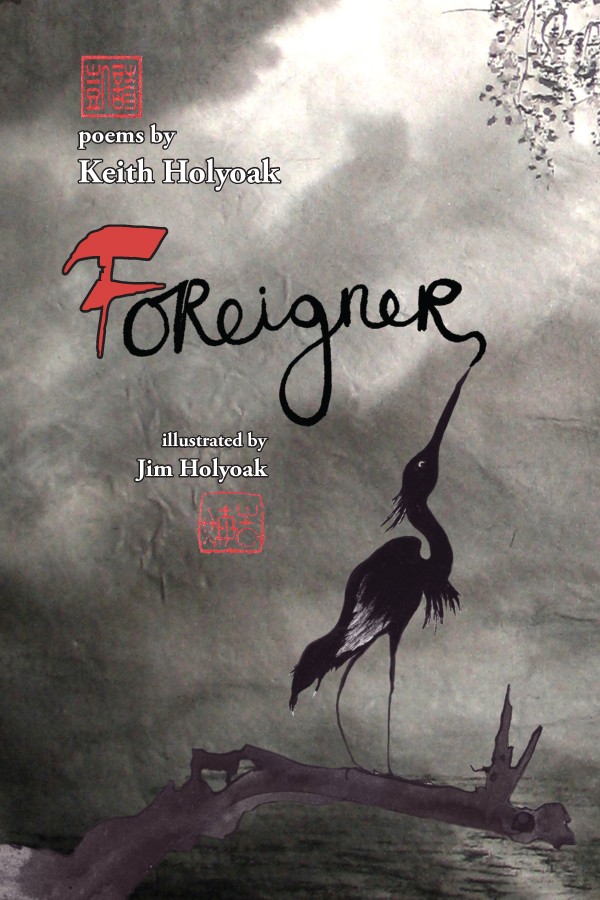
A bilingual edition of poems by the two greatest poets of the Tang dynasty. Holyoak's translations—shaped by his deep study of Chinese poetry and his practice as a formal poet—bring Li Bai and Du Fu into living English while preserving their music and strangeness.
"The best Chinese poetry book I've read… it's made Du Fu and Li Bai alive to me." — Reader review, 1st edition
"Profound, inspirational and moving, timeless verse beautifully rendered into English." — Reader review, 1st edition
Analogy—the capacity to see that two apparently unlike things share a hidden relational structure—is the subject that has defined Keith Holyoak's career. As a cognitive scientist at UCLA, he has spent fifty years investigating how this ability underlies learning, scientific discovery, legal argument, and moral reasoning. As a poet, he has spent the same years practicing it: finding the structural echoes between ancient Chinese political satire and contemporary American politics, between the Tang dynasty moon and the particular grief of now.
"The word 'psychology' (from its Greek root 'psyche') originally meant 'the study of the soul'—which I suppose might also describe poetry."
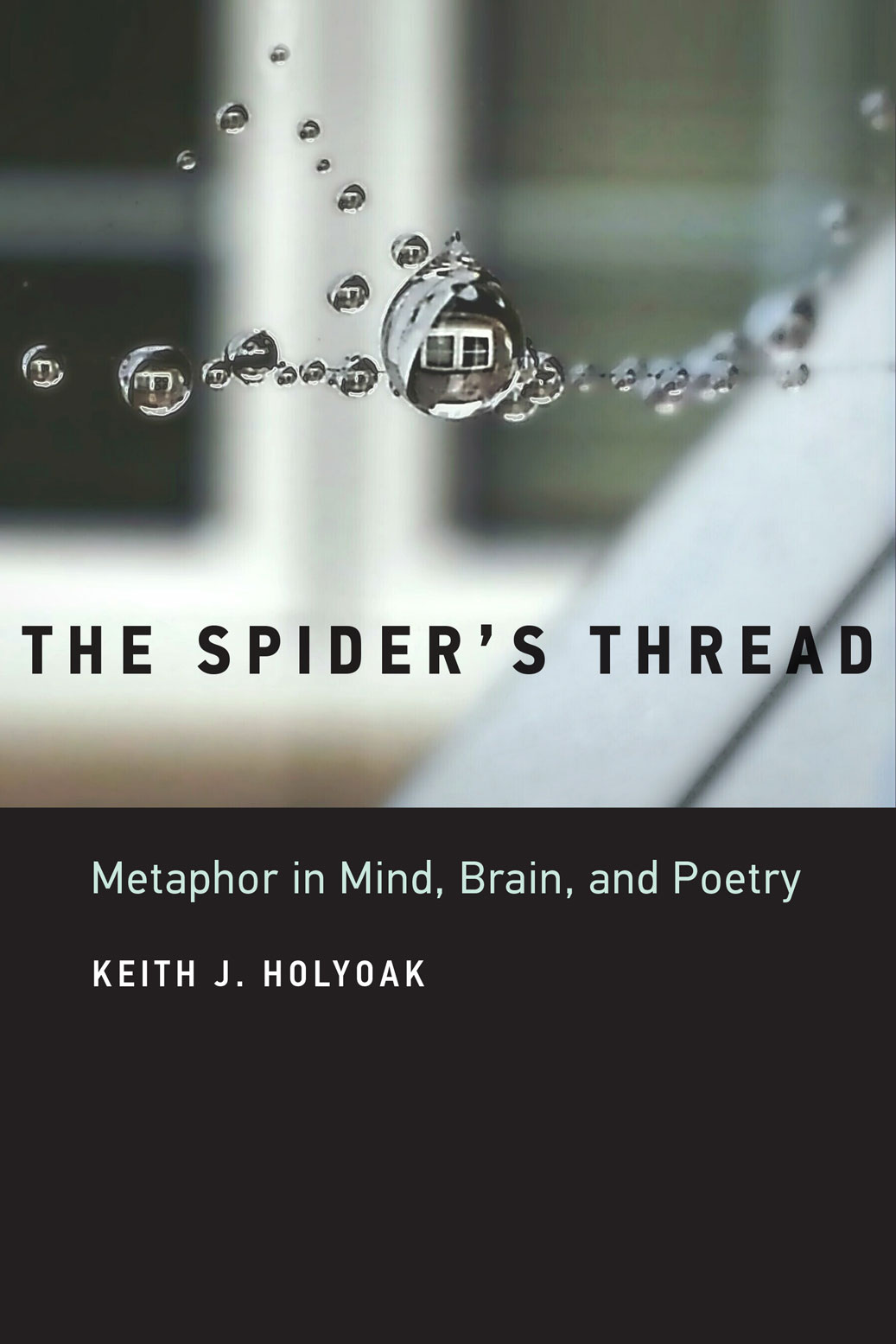
His most recent book, The Human Edge (MIT Press, 2025), asks what distinguishes human creativity from artificial intelligence—and argues that analogy, language, and the ability to understand other minds form a distinctively human trinity. The Spider's Thread (MIT Press, 2019) traces the same question through metaphor, moving between brain scans and close readings of poems. His poetry collections and translations of Li Bai and Du Fu complete the picture: not a second career, but the same inquiry carried out in verse.