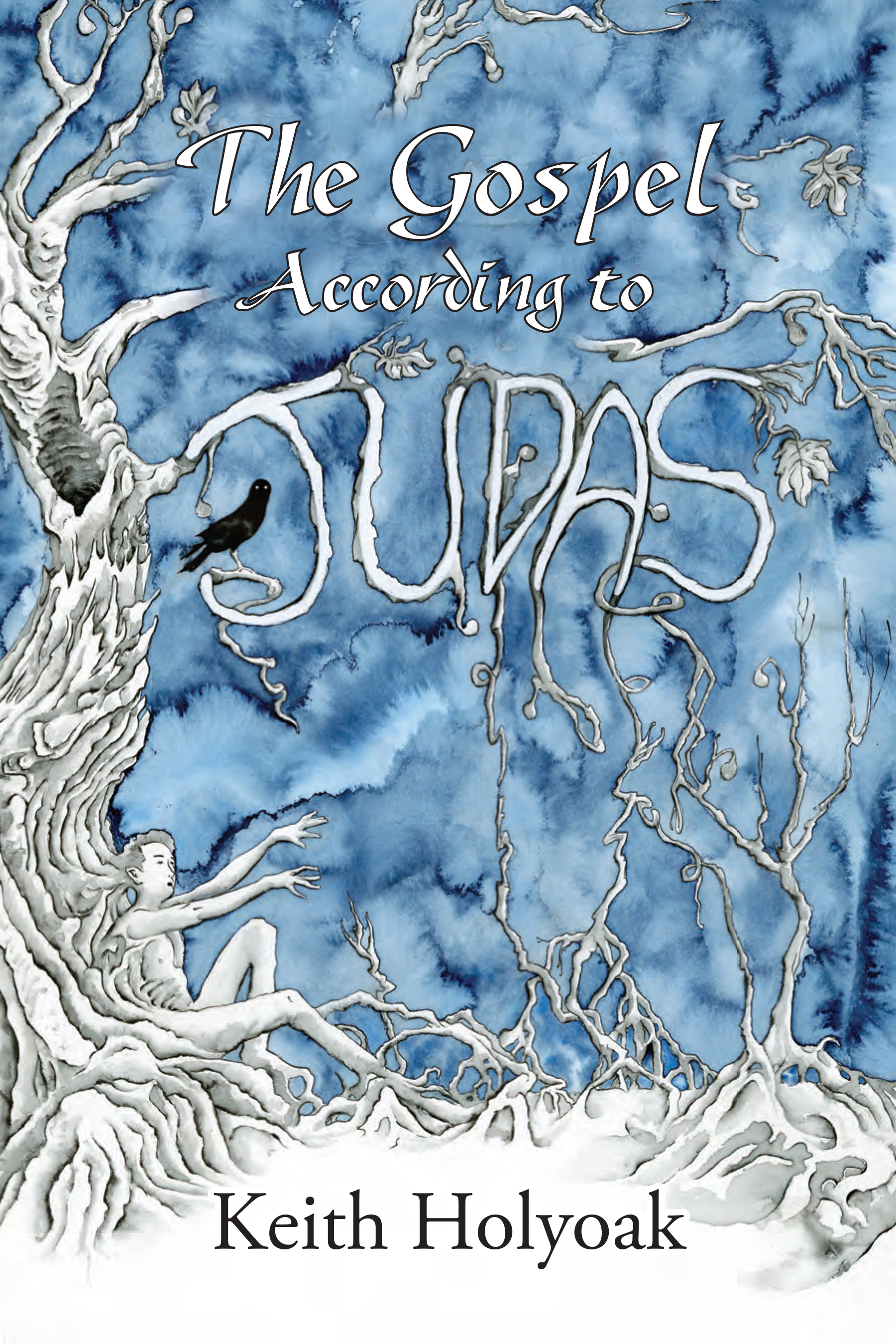
Expanded Second Edition Available Now
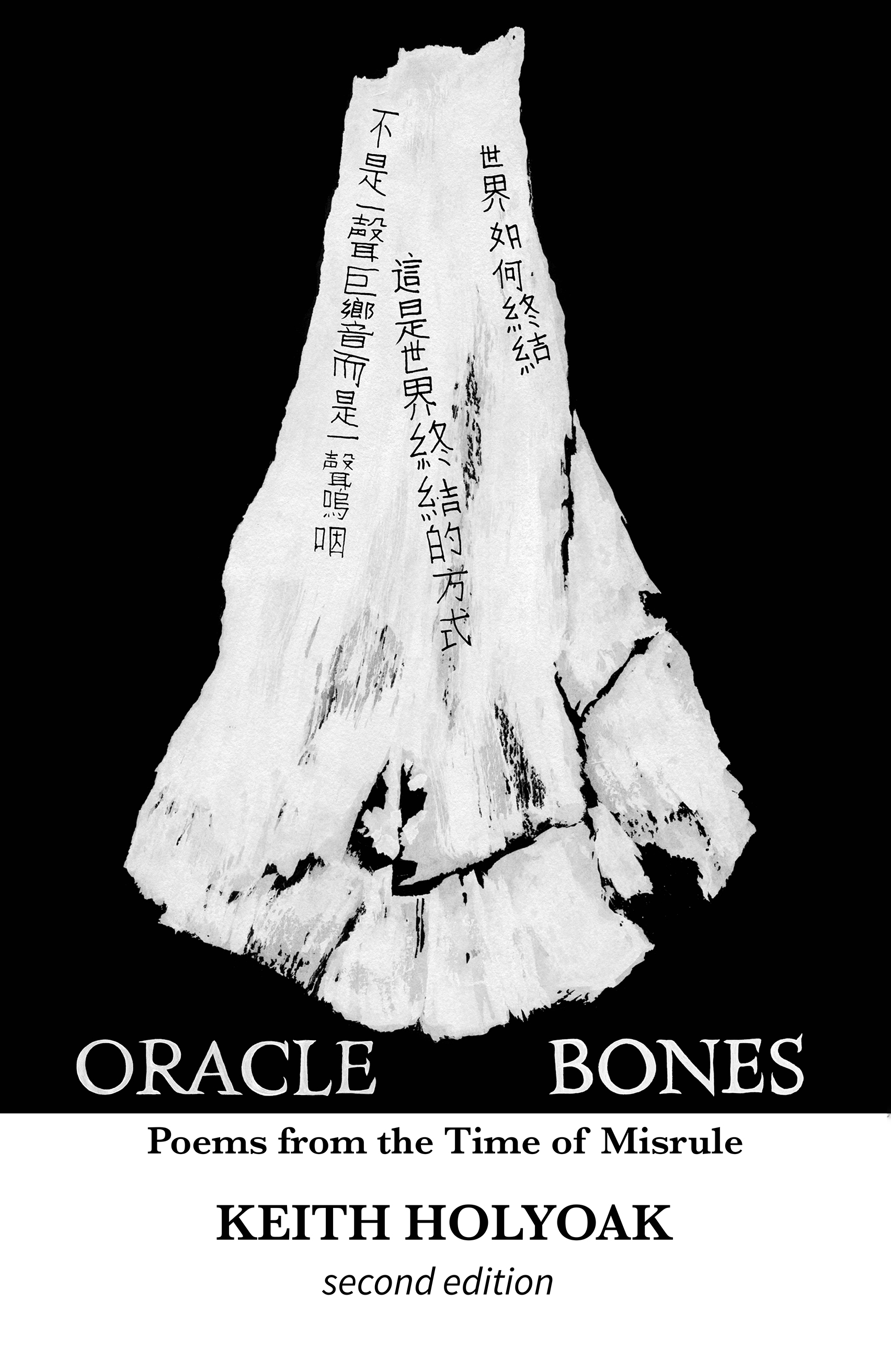
Oracle Bones: Poems from the Time of Misrule
In the tradition of Borges and Nabokov, Oracle Bones presents itself as translations of classical Chinese poems that never existed—"pseudo-translations" whose invented originals feel more authentic than many real ones. Ancient voices speak to present catastrophe: a dissolute king, a kingdom in misrule, warnings inscribed on oracle bones. The second edition adds a new preamble, "The Poet and the Tyrant."
"A bold reimagining of political poetry, merging ancient ritual with modern unrest… a collection that respects both intellect and craft." — Reader review, 1st edition
"This book challenges the reader to see history and politics through a different lens. The allegorical king serves as a powerful symbol of recurring human flaws. A sophisticated critique wrapped in poetic elegance." — Reader review, 1st edition
"Intellectually rich… each poem feels like a coded message waiting to be deciphered. A deeply engaging and thought-provoking experience." — Reader review, 1st edition
Coming in November 2026
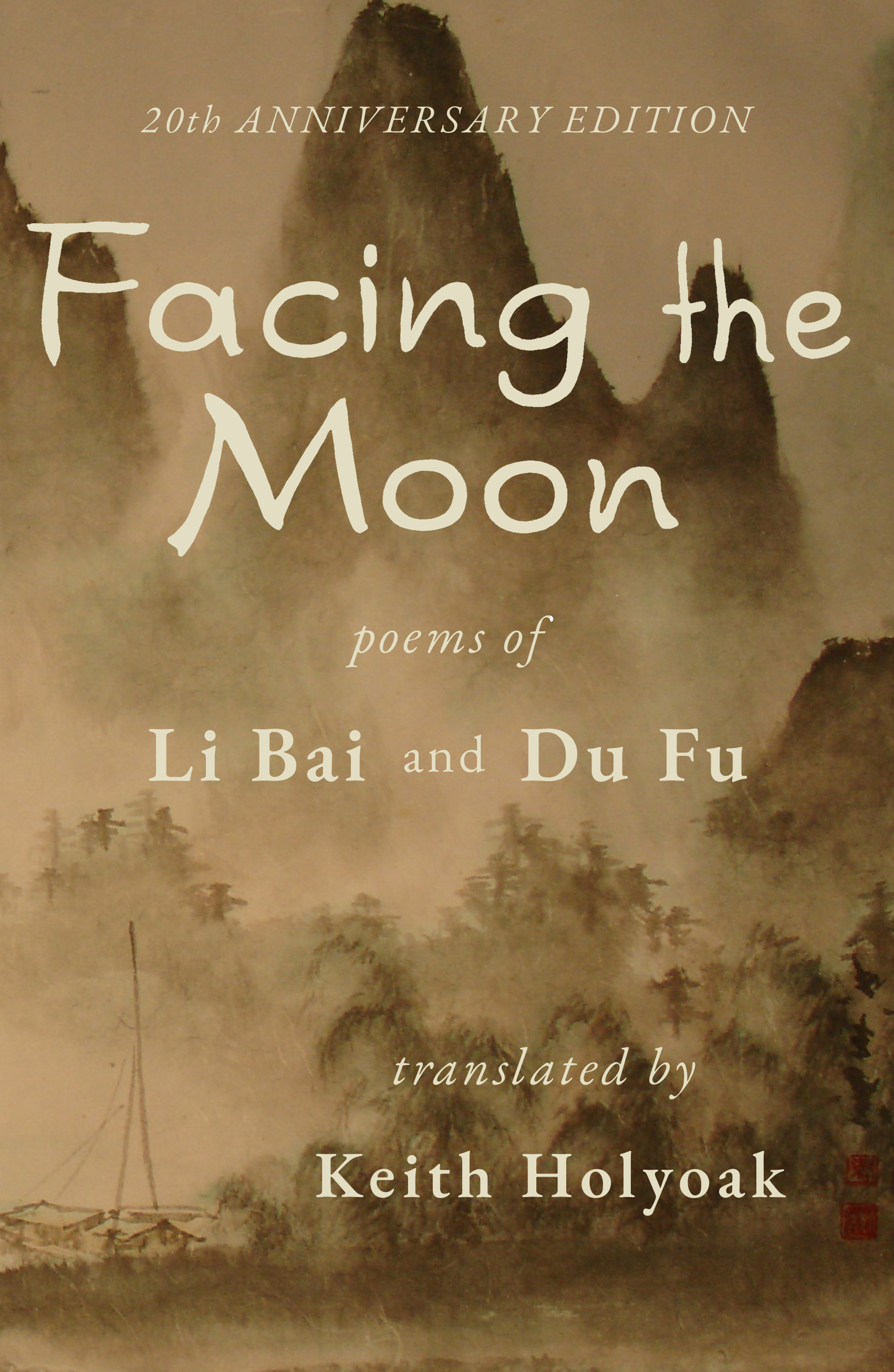
Expanded 20th Anniversary Edition — BilingualFacing the Moon: Poems of Li Bai and Du Fu
A bilingual edition presenting poems of Li Bai and Du Fu—the two supreme poets of the Tang dynasty—in Chinese and English on facing pages. Holyoak's translations draw on his years of immersion in classical Chinese poetry and his practice as a formal poet, finding English equivalents that preserve both the meaning and the music of the originals. The expanded second edition includes new longer poems.
"The best Chinese poetry book I've read… it's made Du Fu and Li Bai alive to me." — Reader review, 1st edition
"Holyoak has done an amazing job of remoulding these fascinating little poems and capturing something of their original sense and atmosphere." — Reader review, 1st edition
"Profound, inspirational and moving, timeless verse beautifully rendered into English." — Reader review, 1st edition